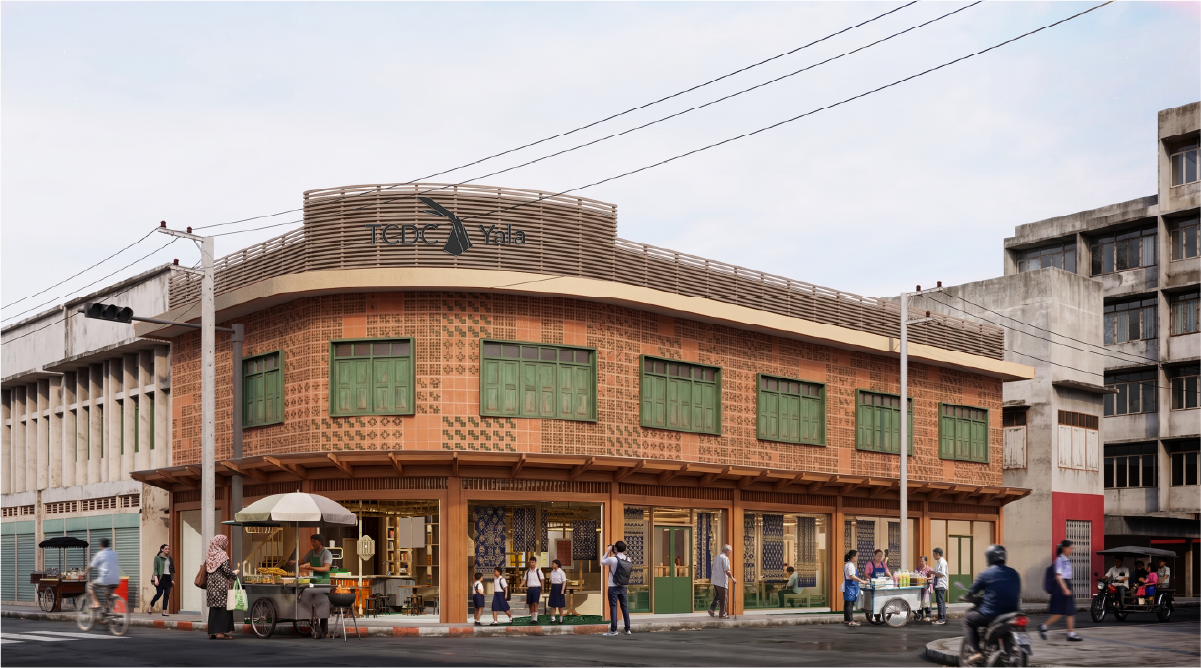
TCDC Yala
2025
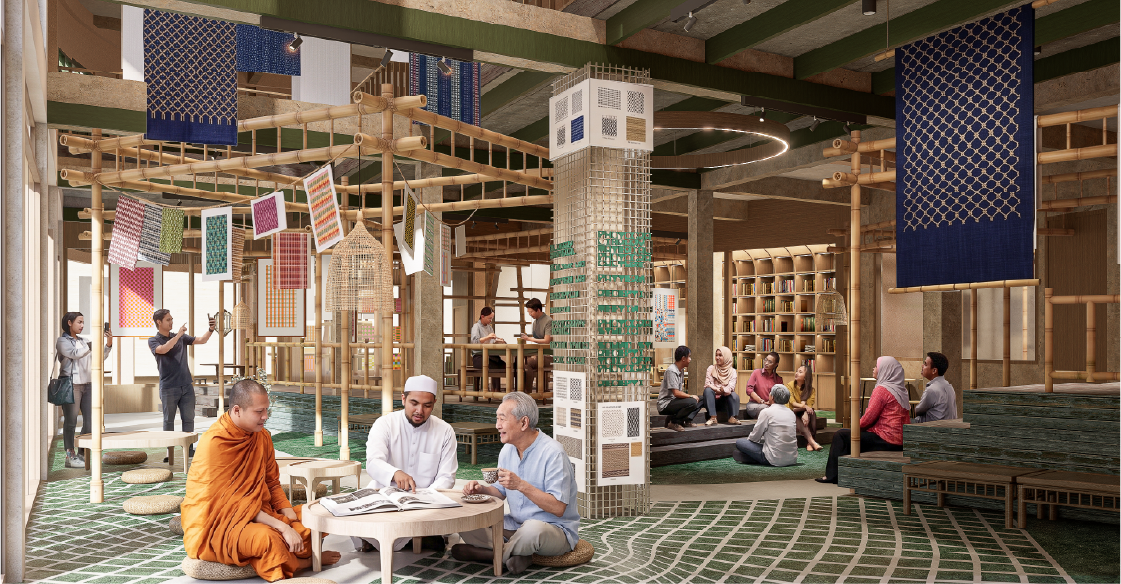
Yala's urban plan was drawn in 1942 around a single geometric centre. From it, 400 roads radiate outward in concentric rings — a spider-web layout ranked 23rd among the best urban designs in the world. Buddhist temples, mosques, and Chinese shrines stand within blocks of each other. The city did not resolve its diversity; it was designed around it. The brief called for a Cultural Lab. We read it as a Pattern Lab. Yala's identity is not a single tradition to be preserved — it is an ongoing act of assembly. We took the city's own plan and drew it onto the floor.
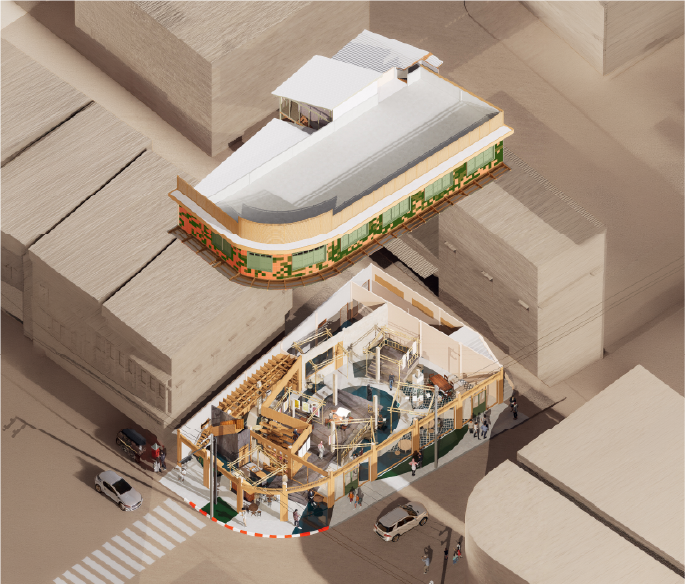
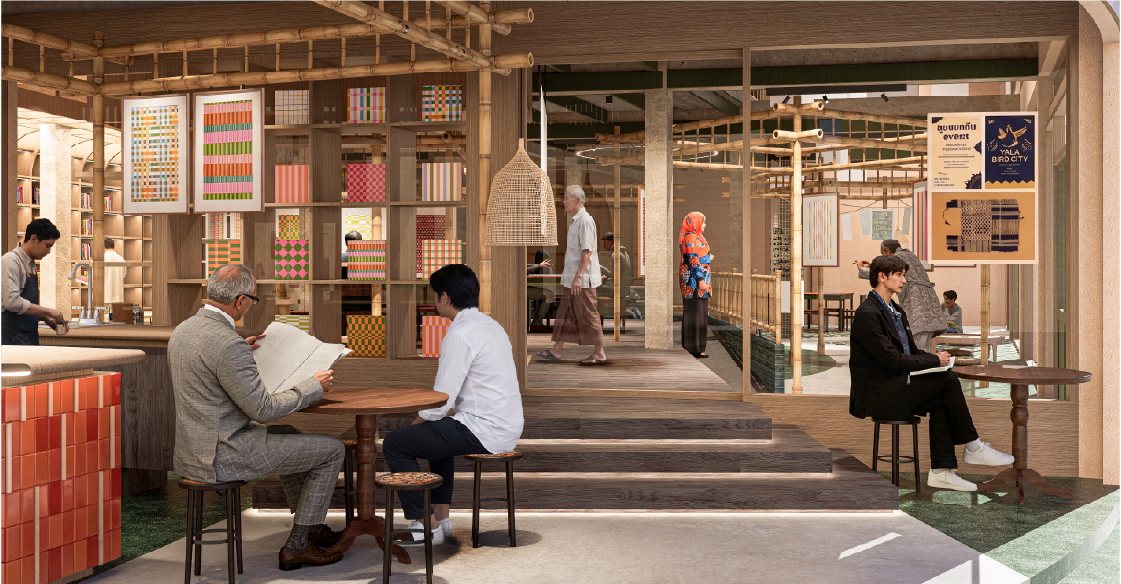
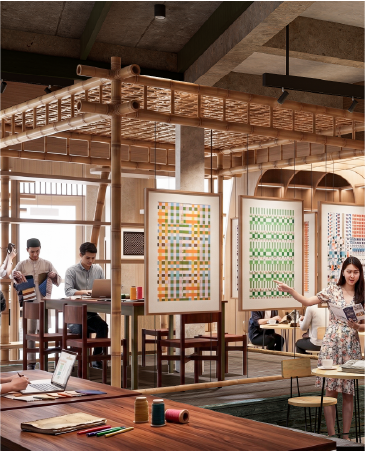
Curved circulation paths replicate the concentric logic of Yala's spider-web plan, creating chance encounters between visitors moving through different programme zones. Colour-coded areas replace conventional signage, signalling transitions between activities without interrupting movement. At the centre of the plan sits the creative workshop — visible and open from every approach — positioning the act of making as a public event rather than a closed studio function.
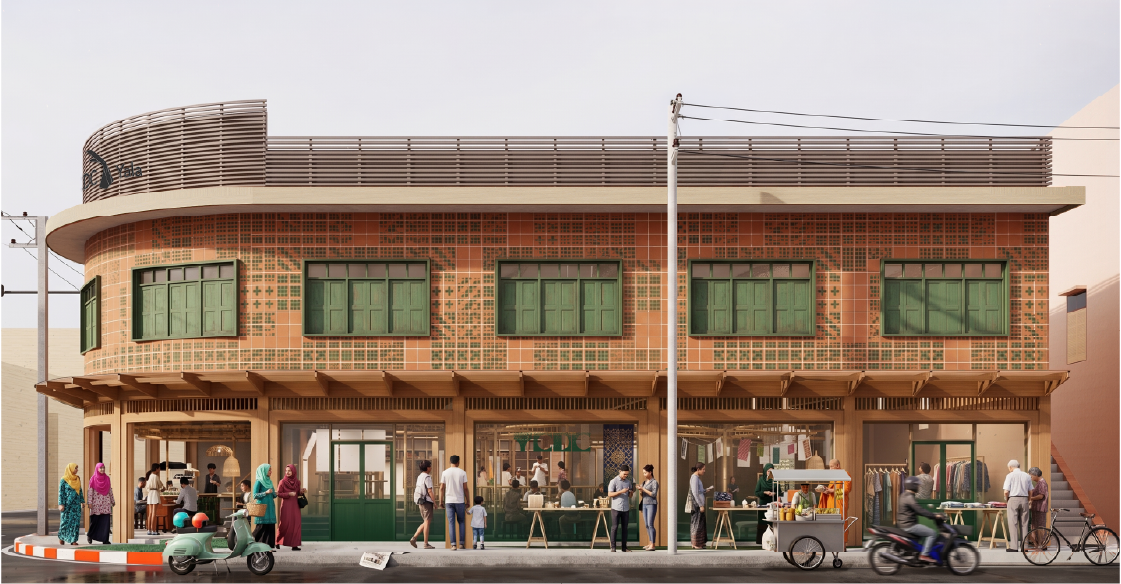
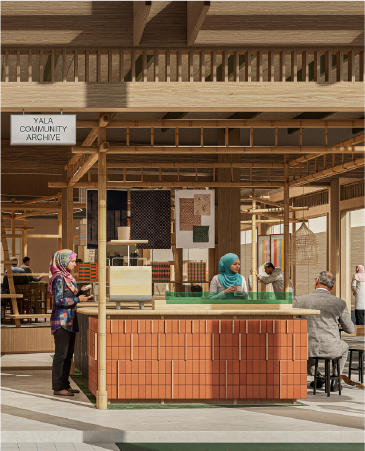
The facade is composed of thousands of terracotta tiles, each one hand-painted by a different resident of Yala. The gesture is not decorative — it is structural. It establishes that the city's layered, plural, assembled character is itself the most honest architectural expression the building could carry. Inside, the spider-web circulation and colour zoning continue the same argument: identity here is not singular but accumulated.

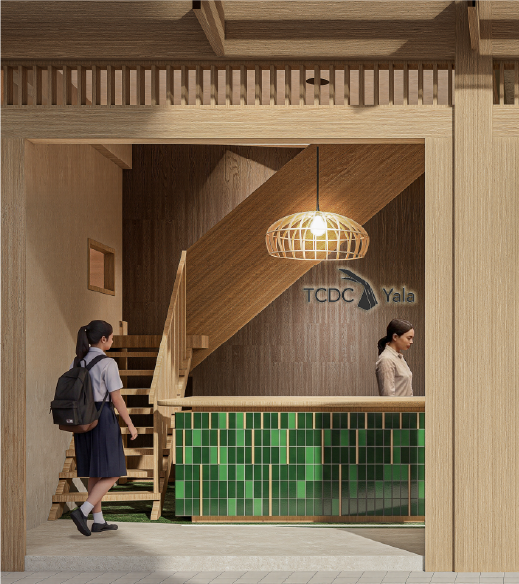
Journey through our creative collection

Discuss your project with our design team